




Referências Diabetes
Referências
1. Danaei G, Finucane MM, Lu Y, et al.National, regional, and global trends in fasting plasma glucose and diabetesprevalence since 1980: systematic analysis of health examination surveys andepidemiological studies with 370 country-years and 2.7 million participants. Lancet.Jul 2 2011;378(9785):31-40.
2. Eriksson KF, Lindgarde F.Prevention of type 2 (non-insulin-dependent) diabetes mellitus by diet andphysical exercise. The 6-year Malmo feasibility study. Diabetologia. Dec1991;34(12):891-898.
3. Pan XR, Li GW, Hu YH, et al.Effects of diet and exercise in preventing NIDDM in people with impairedglucose tolerance. The Da Qing IGT and Diabetes Study. Diabetes Care. Apr1997;20(4):537-544.
4. Li G, Zhang P, Wang J, et al. Thelong-term effect of lifestyle interventions to prevent diabetes in the China DaQing Diabetes Prevention Study: a 20-year follow-up study. Lancet. May24 2008;371(9626):1783-1789.
5. Burden of disease in Brazil,1990–2016: a systematic subnational analysis for the Global Burden of DiseaseStudy 2016. GBD 2016 Brazil Collaborators. 2018.
6. Collins R, Peto R, MacMahon S, etal. Blood pressure, stroke, and coronary heart disease. Part 2: Short-termreductions in blood pressure: overview of randomized drug trials in theirepidemiological context. Lancet 1990;335:827-38.
7. Hebert PR, Gaziano JM, Chan KS, Hennekens CH. Cholesterol lowering with statin drugs, risk ofstroke, and total mortality. An overview of randomized trials. JAMA1997;278:313-21.
8. Hermanson B, Omenn GS, Kronmal RA,Gersh BJ. Beneficial six-year outcome of smoking cessation in older men andwomen with coronary artery disease. Results from the CASS registry. NEngl J Med 1988; 319:1365-9.
9. American Heart Association 1999.Heart and Stroke Statistical Update. 1998.
10. The Sixth Report of the JointNational Committee on Prevention, Detection, Evaluation, and Treatment of HighBlood Pressure. Arch Intern Med 1997;157:2413-46.
11. Santos RD, Spósito AC, dos Santos JE, et al. Programa deavaliação nacional do conhecimento sobre prevenção da aterosclerose (PANDORA):Como tem sido feito o tratamento das dislipidemias pelos médicos brasileiros.Arq Bras Cardiol 2000;75:289-95.
12. National Heart, Lung, and BloodInstitute/National Institutes of Diabetes and Digestive and Kidney Diseases.Clinical guidelines on the identification, evaluation and treatment ofoverweight and obesity in adults. The evidence report. Bethesda:NationalInstitutes of Health 1998:1-228.
13. Instituto Brasileiro de Geografia e Estatística. (IBGE).Pesquisa Nacional de Saúde (PNS). Rio de Janeiro; 2013. Acesso em dezembro2020.
14. Brasil. Ministério da Saúde. Sistema de informação sobre amortalidade. Brasília; 2013. Acesso em dezembro 2020.
15. Kirkman MS, Briscoe VJ, Clark N, Florez H, Haas LB, Halter JBet al. Diabetes in older adults. Diabetes Care. 2012;35(12):2650-64.
16. American Diabetes Association. 11.Older adults. Diabetes Care. 2017;40(Suppl 1):S99-104.
17. Turner RC, Holman RR, Cull CA,Stratton IM, Matthews, DR, Frighi V et al.; UK Prospective Diabetes StudyGroup. Intensive blood-glucose control with sulphonylureas or insulin comparedwith conventional treatment and risk of complications in patients with type 2diabetes (UKPDS33). Lancet. 1998;353(9131):837-53.
18. Holman RR, Paul SK, Bethel MA,Matthews DR, Neil HA. 10-year follow-up of intensive glucose control in type 2diabetes. N Engl J Med. 2008;359(15):1577-89.
19. Gerstein HC, Miller ME, ByimgtonRP, Goff DC Jr, Bigger JT, Buse JB et al.; Action to control cardiovascularrisk in diabetes study group: effects of intensive glucose lowering in type 2diabetes. N Engl J Med. 2008;358(24):2545-59.
20. Milleer ME, Bonds DE, Gerstein HC,Seaquist ER, Bergenstal RM, Calles-Escandon J et al.; ACCORD Investigators. Theeffects of baseline characteristics, glycaemia treatment approach, and glycatedhaemoglobin concentration on the risk of severe hypoglycaemia: post hocepidemiological analysis of the ACCORD study: BMJ. 2010 Jan 8;340:b5444.
21. Patel A, Mac Mahon S, Chalmers J,Neal B, Billot L, Woodward M et al.; ADVANCE Collaborative Group. Intensiveblood glucose control and vascular outcomes in patients with type 2 diabetes. NEngl J Med. 2008;358(24):2560-72.
22. Duckworth W, Abraira C, Moritz TE, Reda D, Emanuele N, ReavenPD et al; VADT Investigators. Glucosecontrol and vascular complications in veterans with type 2 diabetes. N Engl JMed. 2009;360(2):129-39. Erratum in: N Engl J Med. 2009;361(10):1028.
23. Currie CJ, Peters JR, Tynan A,Evans M, Heine RJ, Bracco OL et al. Survival as a function of HbA(1c) in peoplewith type 2 diabetes: a retrospective cohort study. Lancet.2010;375(9713):481-9.
24. Huang ES, Liu JY, Moffer HH, JohnPM, Karter AJ. Glycemic control, complications, and death in older diabeticpatients: the Diabetes and Aging Study. Diabetes Care. 2011;34(6):1329-36.
BUSCA NO SITE
Acesso restrito
Últimas notícias

Hipertensão atinge mais de 30 milhões de pessoas no Brasil
Doença, considerada silenciosa, faz com que o coração tenha que exercer um esforço maior do que o normal e acaba comprometendo o funciona...

Os inimigos invisíveis do coração
A depressão, a ansiedade e a síndrome do pânico, desordens mentais muitas vezes negligenciadas entre a família e os amigos devido ao desc...

Mulheres precisam ampliar prevenção contra as doenças cardiovasculares
Por ocasião do Dia Internacional da Mulher (8 de março) a Sociedade de Cardiologia do Estado de São Paulo (SOCESP) reitera a importância ...
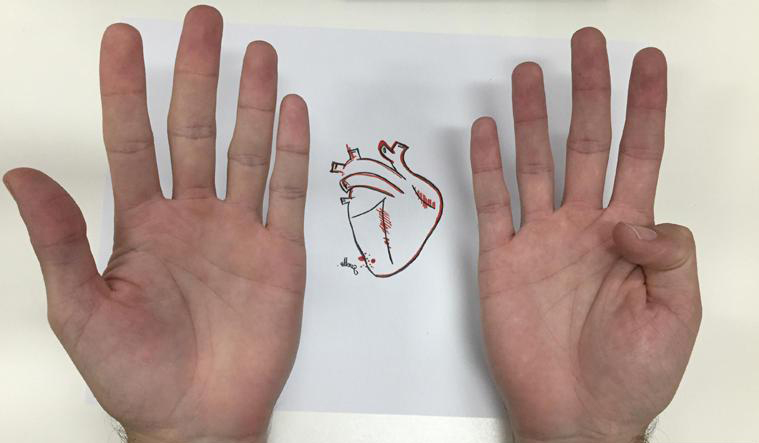
9 verdades e 1 mentira sobre doenças cardiovasculares
Inspirado na corrente “9 verdades e 1 mentira”, que circulava pelo Facebook, a Sociedade de Cardiologia do Estado de São Paulo (SOCESP) e...